A reflection across your XREAL display is worth describing before you order another pair of lenses. You might recognize your shirt, see a pale copy of a subtitle below the picture, or notice a glow around bright lettering. Owners use “glare” and “ghosting” for several experiences, which makes a promising-sounding fix difficult to judge.
Start by identifying what is visible, then compare changes in the room separately from changes in the picture. That can give you a much better question for the glasses manufacturer or insert supplier. It will not, on its own, identify a faulty component or tell you to change your prescription.
Start with what you can recognize
Look at a familiar scene while seated, using your usual correction and a comfortable setup. Try to describe the extra image without giving it a technical name yet.
| What you see | A useful detail to notice |
|---|---|
| A recognizable shirt, hand or object from the room | Whether it changes when the surrounding light or object changes |
| An extra outline or copy of something in the displayed picture | Whether it follows the subtitle, bright window or other content |
| Soft text without a separate visible image | Where the text loses clarity and whether that area moves with the glasses |
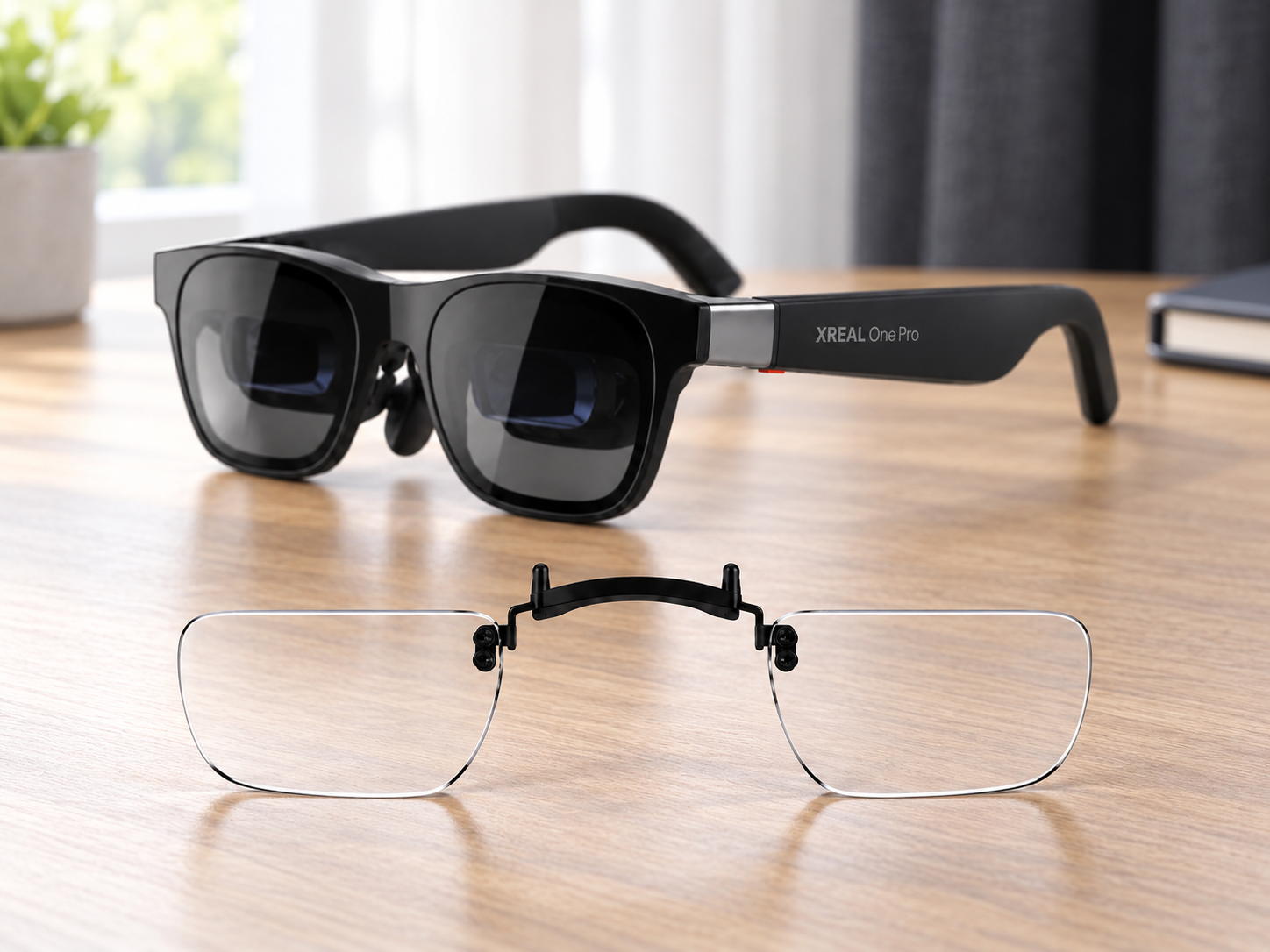
These descriptions can overlap. You could have readable subtitles with a distracting copy underneath, or a clothing reflection alongside a soft corner. Avoid making one explanation account for everything.
If the main problem is simply an unreadable edge, our One Pro IPD and fit checks and separate Air 2 Pro blurry-text article address that question. Keep the reflection comparison focused on the additional image you can actually point to.
Keep the picture still and change the room
A paused scene is useful here. Keep the glasses, content and display settings unchanged, and compare an ordinary bright setting with a seat away from the bright window or lamp. If you can recognize clothing in the extra image, notice whether a light or dark garment changes its appearance.
This is a recurring owner concern: one XREAL One discussion about clothing reflections describes the difference becoming obvious with a light-colored shirt. That is a wearer’s observation, not a promise that a particular color will solve your setup.
Suppose the shirt-shaped patch becomes less noticeable away from the window, while a pale line under the subtitles remains. You have learned something useful: the two effects did not respond together. You have not proved that a lens coating, light shield or replacement device is required.
If changing the room makes no visible difference, keep that result too. There is little value in repeatedly darkening the room to chase an image that continues to follow the content. Test in conditions you would realistically use; a setup that works only in an arrangement you cannot maintain may still be unsuitable for your routine.
Let the content change while the room stays put
Now leave the room lighting alone. Compare the same paused scene with subtitles on and off, or move a bright window on your connected computer. Watch whether the extra shape changes with that element. A persistent copy of lettering is a more precise description than “the whole lens is bad.”
The distinction matters in owner reports. In a discussion about a reflected image above the XREAL One display, the wearer described a compressed copy of the picture after trying different sources and normal fit adjustments. That is a different starting question from recognizing a shirt in a bright room.
Brightness is another condition to note. If you compare levels, keep them comfortable and change only that setting. A less noticeable extra image at lower brightness tells you how the experience changes; it does not establish a repaired fault or a universally acceptable level of reflection.
Where the prescription insert enters the question
If the effect appeared after fitting an insert, that timing belongs in the description. Include the exact insert and glasses model, whether the assembly is seated as instructed, and whether anything else changed at the same time. Keep the correction you need in mind: an unclear view without that correction is a poor basis for judging a subtle extra image.
An anti-reflective coating is also a specific feature, rather than a general answer to every reflection. ZEISS explains lens coatings in terms of spectacle lenses and describes the residual reflection that can remain. Its explanation does not test a Fovevia insert inside your XREAL glasses.
Device optics are a separate part of the purchase. XREAL’s One Pro description discusses reduced outside-light interference and reduced image reflection on the front of the glasses. The latter concerns the outward-facing reflection; that statement does not classify every extra image seen by the wearer.
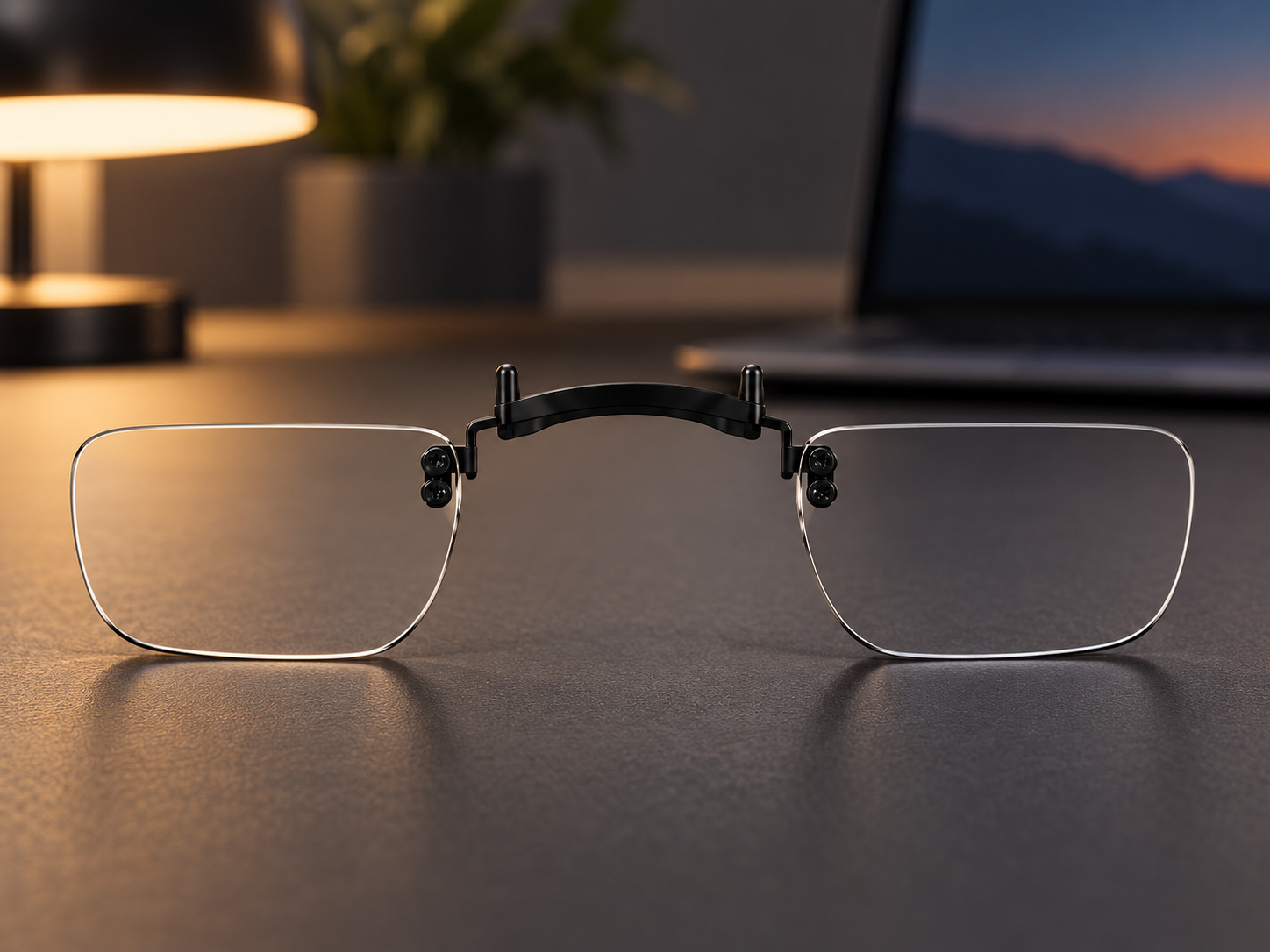
Before paying for a different coating or insert, ask which observed problem the proposed change is expected to address and what evidence supports that expectation. If you also need prescription correction, use the XREAL model-matching article to identify the appropriate product separately. Buying an insert should not become a test of an unexplained display artifact.
Give the supplier something specific to assess
A short description of what changes is more useful than a long list of attempted fixes. For example, an enquiry might read:
I see a pale copy below the subtitles. It disappears when I turn subtitles off, but moving away from the window makes no obvious difference. The main picture remains readable. I use this glasses model and this insert; the effect was present before the insert was fitted.
That example leaves room for an assessment. It does not announce that the prism is defective, the prescription is wrong or a coating has failed. Add a photograph if it helps locate the area, while explaining anything it fails to capture about your view.
Ask the glasses manufacturer about an unexplained device image, and the insert supplier about the supplied assembly or lens order. If the proposed solution is another purchase, settle what it is intended to change first. The useful outcome may be a different lighting arrangement, a product assessment, or deciding that the view does not suit your use—not automatically another lens order.